9 hours ago
EDGE Interview: Antoni Porowski On Ending Stigma, Starting Conversations, and Why Knowledge is the Ultimate Form of Self-Care
Steve Duffy READ TIME: 2 MIN.
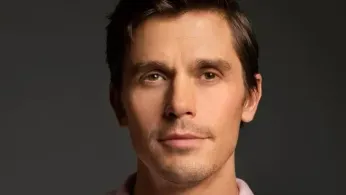
Ahead of the highly anticipated return of Queer Eye for its tenth and final season on Netflix, January 21st, Antoni Porowski is opening up about a topic that’s deeply personal to him: sexual health.
As a prominent voice in the LGBTQ+ community, Antoni knows self-care goes beyond food and fitness — it’s also about making informed choices for your health and relationships. Growing up in a family of doctors, Antoni learned early that talking about health should feel normal, and he’s bringing that same openness to conversations about sexual health today. That’s why he’s partnering with Gilead to speak candidly about HIV prevention and the importance of PrEP (pre-exposure prophylaxis), aligning with Queer Eye’s legacy of uplifting and empowering communities.
I caught up with Antoni to talk about his partnership with Gilead, the importance of normalizing sexual health, and what it means to say goodbye to Queer Eye after a decade of transformation.
EDGE: What inspired you to start speaking publicly about sexual health?
AP: It’s definitely been a journey. I’ve been reflecting a lot lately, especially on when I first started Queer Eye. I was raised in a household of physicians, so sexual health was normalized early on. I recognize that it’s a privilege—not everyone grows up without stigma around these topics. That said, it wasn’t perfect. Mental health, for example, wasn’t something we talked about much, and I had to explore that on my own.
When I started Queer Eye, it was a pivotal moment in my life. It changed everything—my platform, my sense of social responsibility, and the opportunities that came with it. But at first, I didn’t want to talk about my sexuality. It felt deeply personal. Over time, though, I’ve grown. I’ve come to understand that the more I talk about something, the more my perception shifts, and the less stigma I feel.
I was thinking about Esther Perel recently—how relationships go through many “divorces,” even when people stay together, because we change as individuals. I’ve definitely changed. Through conversations—especially with my queer friends—I’ve learned so much about the nuances of relationships, sexual practices, and the gaps in what people know and don’t know.
Partnering with Gilead has opened up even more dialogue. These conversations have helped me feel more comfortable asking my physician questions, talking openly with my partner, and reflecting on my own experiences. It’s true: knowledge really is power. The more we talk about things that feel taboo, the less intimidating they become.
Growing up, I was conflict-averse—the peacekeeper in my family. But I’ve learned that when you’re with someone who listens without judgment, you can have open, honest conversations. That’s the mindset I try to bring to discussions about sexual health.
I know not everyone had the upbringing I did. I’m far from perfect, but I’ve always been good at asking for directions. I’m terrified of needles and hospitals, but I trust experts to guide me. That trust helps me make informed decisions about my body, and I encourage others to do the same.
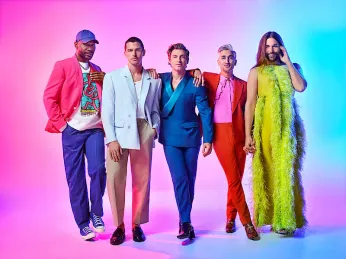
Source: Netflix
EDGE: How did the partnership with Gilead happen?
AP: They reached out, and we started having some conversations. It felt more like a “getting to know each other” process—understanding my perspective and my relationship to the topic. One of the first things I shared was that I’m a child of physicians. That background shaped how I view health and openness. I consider myself pretty open in some areas, but in others, I’m more reserved and private.
This topic, though, really piqued my interest. After our initial conversation—without disclosing anything—I started talking to my friends. I was fascinated by what I learned. Some are in monogamous relationships, others in open ones, and some are single. There’s a wide range of understanding when it comes to PrEP, STIs, and sexual health in general.
Some friends are incredibly informed, while others realized they’d been misinformed. There’s a lot happening in this space, and I think it’s important we talk about it. These conversations matter.
EDGE: How do you hope this collaboration will impact awareness and access to HIV prevention tools like PrEP?
AP: I’ve come to realize that information is just that—information. I didn’t fully understand what a friend meant when they first said that, but now I get it. Once you have access to knowledge, it can open the door to curiosity, introspection, and asking better questions. It encourages people to educate themselves.
If even five people see this and think, “Oh, Antoni from Queer Eye—the show I love because it makes me cry, laugh, and feel deeply—is talking about this,” and then they turn to a friend and ask, “Speaking of sexual practices, do you have a physician you trust? Who do you talk to about your health?”—that’s a win. Just starting those conversations matters.
There’s still a lot of stigma around sexual health. Not for everyone, but for many people, it’s hard to talk about. There’s a lot of shame around sex in general. But the more we talk about it, the less precious or taboo it becomes. And the more informed we are, the better decisions we can make for our bodies.
EDGE: You’ve emphasized the importance of talking openly with friends and doctors. What advice would you give to someone who’s unsure how to start those conversations?
AP: This is similar advice I’ve given to friends who’ve never had a therapist. And while talking to a friend is different from speaking to a physician—someone who has the data, the training, and years of experience—I think the key to opening up starts with curiosity. For me, what works is finding someone who feels like a safe space, someone less likely to judge. Of course, I’m just one person with my own upbringing, so this won’t apply to everyone.
A friend of mine calls it our “board of directors”—those trusted people in our lives who will call us out when needed, but also listen with empathy and compassion. The more you have those conversations, the less intimidating they become. You don’t have to start big. If you’re in a relationship, maybe begin with your partner.
I’ve been surprised by how many of my friends in long-term, monogamous relationships—people who deeply trust each other—are on PrEP. For some, it’s about managing anxiety; for others who are single, it’s part of their routine. It’s there for everyone, and there’s a reason for that. These kinds of conversations matter. Lean into the people you trust.
It brings me back to what I said earlier about community. Lean into your community. Educate yourself. Ask questions. In my own relationships, I’ve realized that because I’m a people pleaser and very conflict-averse—thanks to how I was raised—bringing things up can feel daunting. But the more I do it, the less power those thoughts have. They stop living only in my head. And I’m reminded that I’m not the only person who’s ever felt this way. There are millions of others. I’m not that special—in the best way possible.
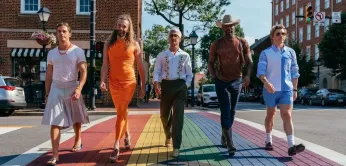
Source: Netflix
EDGE: What’s your “sexual health superpower” — the one thing you wish everyone could instantly feel confident about?
AP: If I had to name my superpower, I’d say it’s my dad. He’s a retired physician, but even now, he’s incredible at picking up the phone and talking to my friends—whether they’re women dealing with personal issues, gay friends, straight friends—he’s just so empathetic. He radiates compassion. I love him deeply, even though he drives me crazy sometimes, and we argue a lot. But his bedside manner is exceptional, and his gentle approach has really influenced how I speak to people on Queer Eye.
To actually answer your question, the one thing I wish everyone could embrace is the idea of reducing stigma. It’s a blanket statement, but it applies to so many areas of life. I think we’re often afraid of what we don’t understand. People judge other cultures, identities, and experiences because they haven’t taken the time to understand or appreciate diversity. My therapist once said that 95% of the world’s problems stem from a lack of embracing diversity—and I believe that.
If we could be more curious and less judgmental, and see people as individuals rather than concepts, we’d be in a much better place. Early on in Queer Eye, some people saw us simply as “gay,” and that label came with a whole set of assumptions. But when you’re in a kitchen cooking with someone, you realize—they’re someone’s child. They have fears, struggles, and have faced adversity too. Sometimes those experiences are similar to yours, sometimes they’re different. But while our experiences vary, our emotions are universal. There are only about five or six core emotions we all share. It’s the unique experiences that layer on top and shape who we are.
Sorry—I went full psychology mode there. But I really believe this.
EDGE: Queer Eye has always been about transformation and empowerment. How does your advocacy for sexual wellness reflect the show’s mission?
AP: I think back to our very first Queer Eye episode—Tom Jackson asked Bobby and JVN, “So who’s the guy and who’s the girl?” I wasn’t in the scene, but I remember it clearly. I don’t bring it up to insult him; I think it reflects a common reaction. For many people, when they learn about someone’s sexuality, their minds immediately go to sex. It’s a very human instinct—we’re part of the animal kingdom, no matter how much we try to separate ourselves from it.
But moments like that are opportunities for conversation. They’re chances to normalize topics that are often misunderstood. The irony is, sexual health is something I’ve talked about openly with my family since I was very young, with friends growing up, and with every partner I’ve had. But publicly? That’s been a different story. It’s something I’ve mostly kept to myself.
With everything happening in the world, though, I feel a growing sense of responsibility. There are so many misconceptions and assumptions out there. And while I can’t speak for everyone, I can share my own experience. I know I’m fortunate to come from a family of physicians—not everyone has that. But it’s something I’m deeply grateful for.
Amid all my faults, one thing I’ve always been good at is asking for help. Whether it’s about mental health, nutrition, fitness, or sexual health, I’ve learned to seek guidance. For me, these areas all fall under the same tree—they’re interconnected and equally important.
Sexual health isn’t just about the individual. It affects your partner, your community, and everyone in your ecosystem. That’s why these conversations matter. The more we talk, the more we understand, and the better equipped we are to make informed decisions—not just for ourselves, but for those around us.
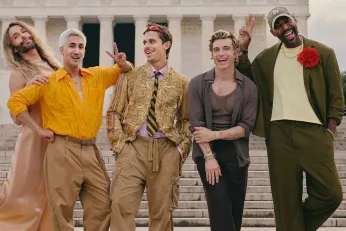
Source: Netflix
EDGE: How has the show transformed you?
AP: It’s changed everything—my sense of purpose, how I navigate the world. This isn’t the career I thought I’d have. I always had a deep desire to be seen (something my therapist and undergrad psych studies remind me is common for the youngest child), but I imagined a much more private life.
Even now, talking about sexual health publicly is something I never thought I’d be doing. If you’d told me ten years ago that I’d be campaigning around these issues, I wouldn’t have believed you. But with opportunity came a sense of duty and responsibility. I’m not delusional—I don’t think I’ll single-handedly change the narrative. But if I can be part of the process, that’s something I’ll be proud of when I’m retired in the countryside, surrounded by 50 dogs (which is truly the dream).
If what I’ve shared sparks even a few conversations—if it helps someone feel more comfortable talking about their sexual health—then that’s amazing. And it’s not just about that. When I joined Queer Eye, I thought I’d just be listening to others. I didn’t expect to share so much of my own life. But I realized everything is a conversation. It has to be a back-and-forth. Sometimes we listen, sometimes we speak. And sometimes, I just want to speak because I’m chatty!
This experience has deepened my understanding of the power of food and how it connects us. It’s shown me that we’re all truly connected, and we need each other. There’s no room for prejudice or judgment when we’re all sharing this planet—no matter where we are on it.
Leaning into community, understanding how others think—not necessarily to agree, but to understand—has become my unofficial (maybe even official) MO.
EDGE: What does it feel like to say goodbye to Queer Eye after 10 seasons of transformation and connection?
AP: It was definitely emotional—there was no shortage of tears. We all had moments on set where we’d just cry, sometimes seemingly out of nowhere. It would hit us: this is the last meal trip, the last time I’d cook with someone and get to know a stranger in that way.
I’m confident I’ll have other opportunities to continue storytelling through food. I’ve already had the chance to do that with No Taste Like Home and through my wonderful relationship with Nat Geo—hopefully more to come. But it’s bittersweet. Bitter because a chapter is closing. Sweet because of everything we built together.
The camaraderie was real. Many of the people on set started as production assistants, handing out water, and now they’re full-fledged producers, creating segments and telling stories that matter to them. Watching this living, breathing family grow within the entertainment industry has been incredible. I hope to cross paths with many of them again—if someone gives me another show!
It’s sad, though. We were all in it together, part of something that became a meaningful part of the cultural zeitgeist when it first aired. Ten seasons later—definitely not something we planned—it’s a reminder that everything evolves. Nothing is linear. Life moves in zigzags: one step forward, two steps back, and then forward again.
So yes, I’m optimistic, but I’m also really sad. As my therapist says, multiple feelings can exist at the same time. I’m grieving the end of something beautiful, but I’m also excited for what’s next. This transition opens up space—my time, my schedule, my energy—for new opportunities.
What I’ve learned from this show, and what I know for sure, is that it will continue to shape how I move through the world—both professionally and personally. It’s helped clarify what truly matters to me.
The final season of Queer Eye airs January 21st on Netflix. For more information about Antoni, visit his website, https://www.antoniporowski.com/, or follow him @antoni